April 1, 2026
Quality landscape supplies are essential for creating and maintaining vibrant outdoor spaces. They provide the foundation for healthy gardens and yards while enhancing ecological balance. From homeowners to professional landscapers, using the right materials ensures thriving plants, sustainability, and aesthetic appeal. High-quality landscape supplies support biodiversity, foster conservation, and promote long-term ecosystem health. Investing in the proper materials allows for landscapes that are both functional and visually pleasing, while reducing long-term maintenance needs.
Outdoor environments serve many purposes. They provide spaces for relaxation, recreation, and connection with nature. The success of these spaces depends largely on the quality of materials used to build and maintain them. Thoughtfully selected landscape supplies help prevent common problems such as erosion, poor drainage, and nutrient deficiencies. When every component works together, the result is a cohesive and healthy landscape that continues to improve over time.
The Role of Landscape Supplies in Outdoor Spaces
Landscape supplies impact both the longevity and health of gardens. Superior materials reduce the need for frequent replacements and intensive maintenance, saving time and money. They provide essential nutrients, maintain soil integrity, and conserve water. By investing in quality landscape supplies, landscapers and homeowners create balanced environments where plants and wildlife can flourish. Over time, these materials contribute to cost efficiency while meeting environmental standards. Additionally, using high-quality supplies improves soil microbial activity, which is crucial for plant growth and soil vitality.
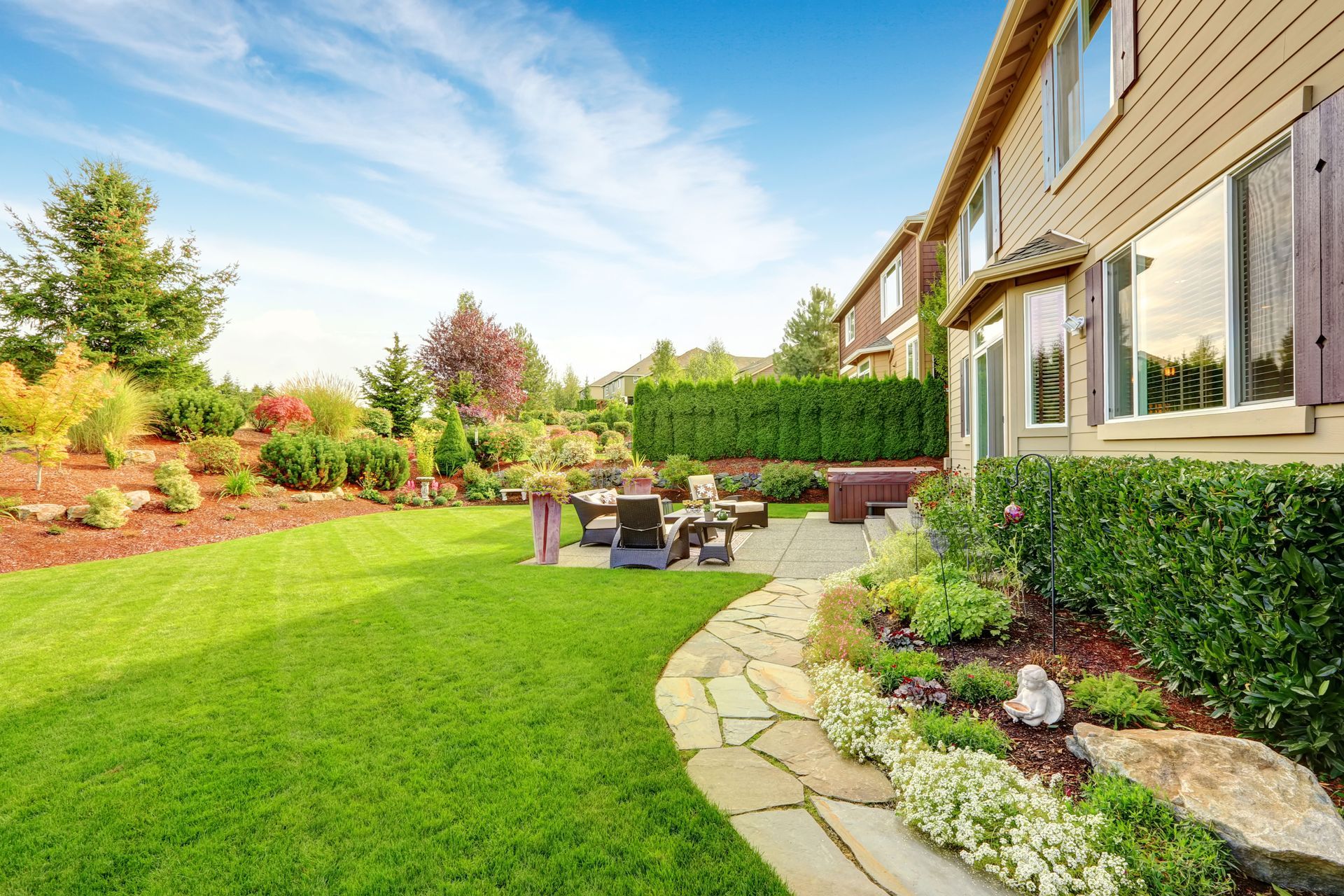
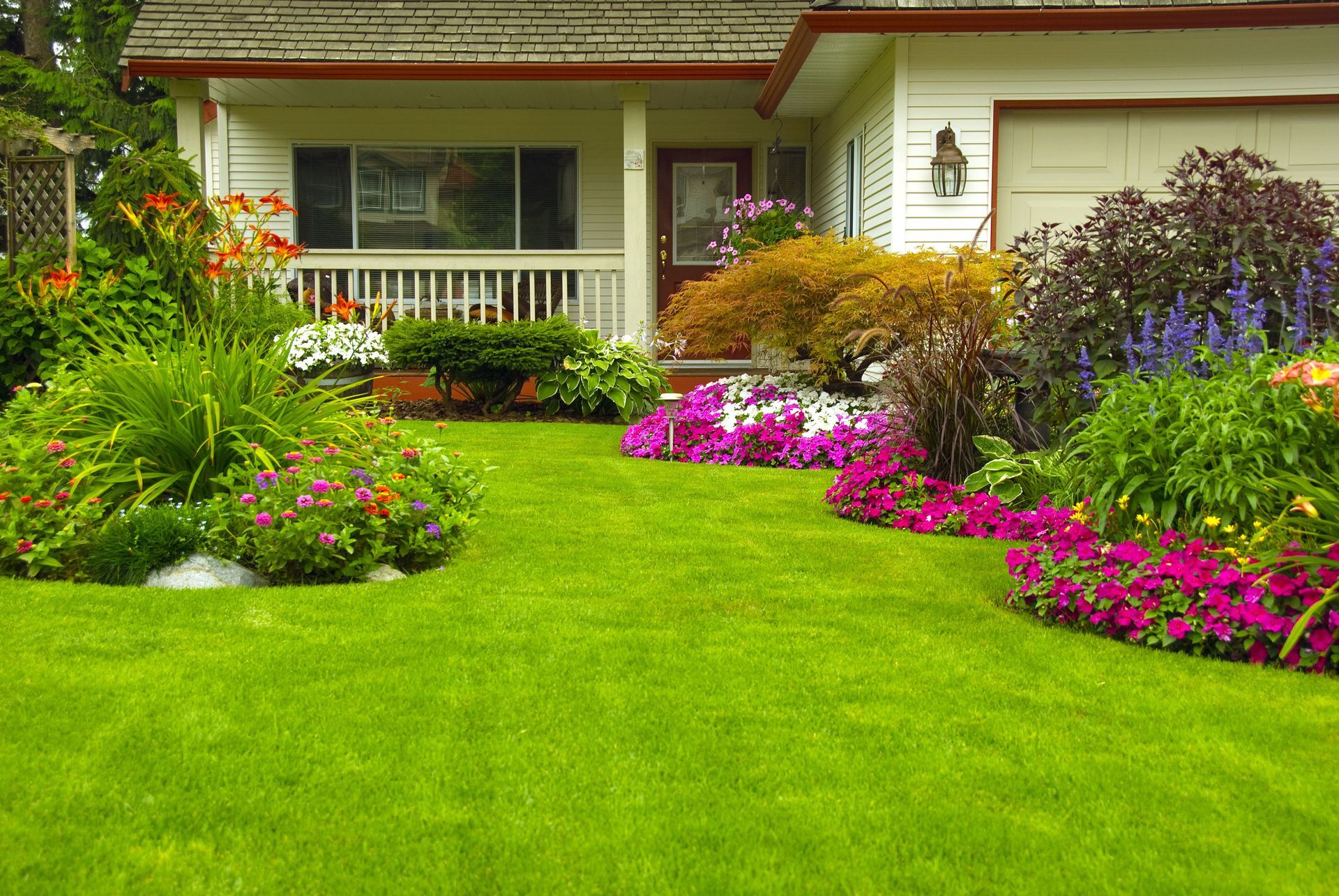
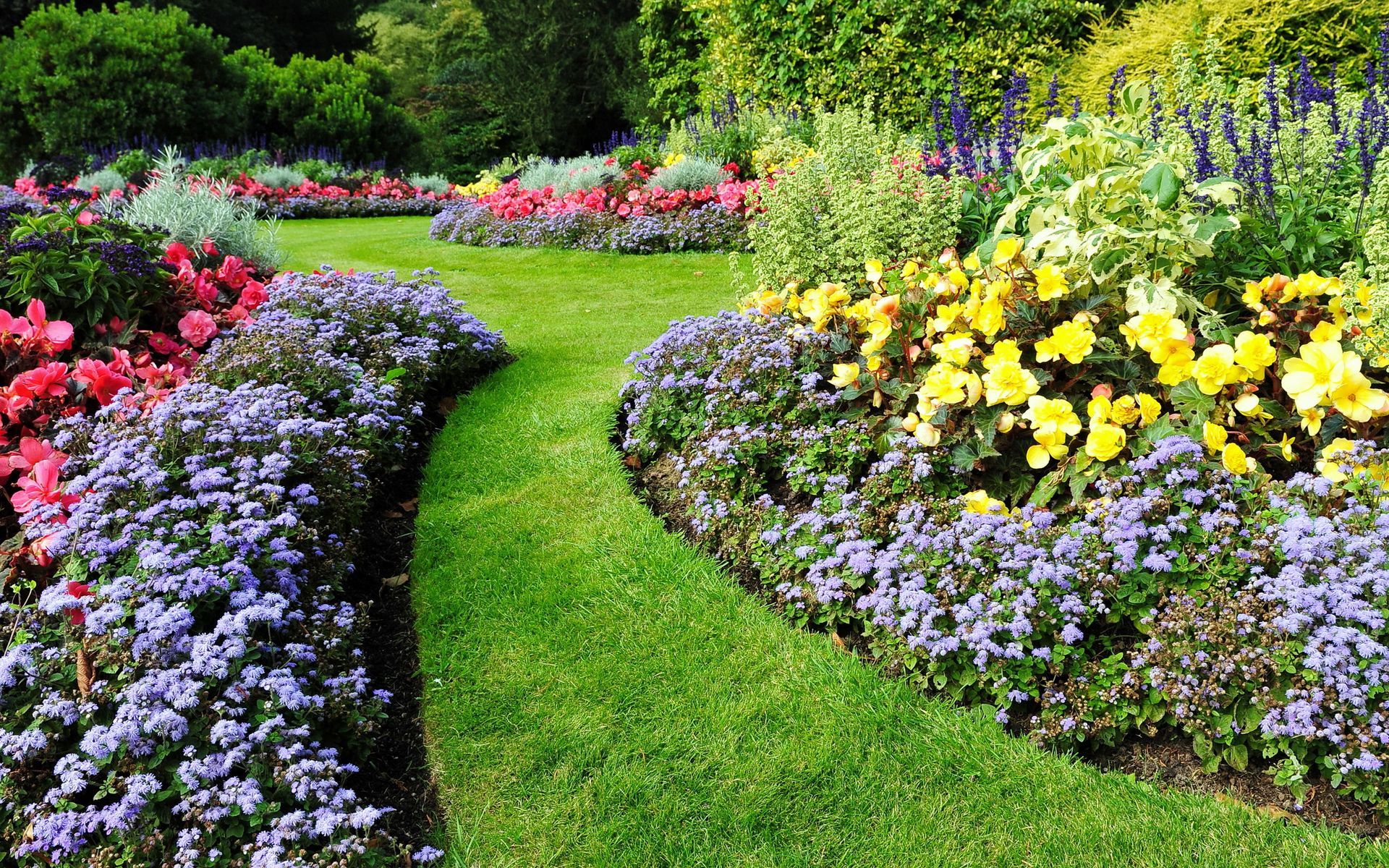
Well-chosen landscape supplies also contribute to the aesthetic appeal of gardens and outdoor spaces. Stones, mulch, decorative gravel, and edging materials define pathways and borders, creating a polished and organized appearance. The visual impact of well-planned landscaping often complements natural surroundings, enhancing property value and creating spaces for relaxation and enjoyment. Combining functionality with beauty is one of the major reasons to select top-grade landscape supplies.
Durability is another important factor. Outdoor environments are exposed to changing weather conditions, temperature shifts, and heavy use. Selecting materials designed to withstand these conditions reduces long-term repair costs. Reliable landscape supplies ensure that patios remain stable, garden beds hold their shape, and plantings continue to thrive despite seasonal challenges.
Choosing the Right Soil and Mulch
Soil quality is the cornerstone of any landscaping project. Selecting the right soil ensures proper drainage and nutrient availability, supporting plant growth. Soil amendments, including organic matter, fertilizers, and minerals, can correct deficiencies and improve structure. Regular soil monitoring is necessary to maintain optimal conditions for plants. Using the correct soil not only helps plants thrive but also reduces the risk of erosion and nutrient loss over time.
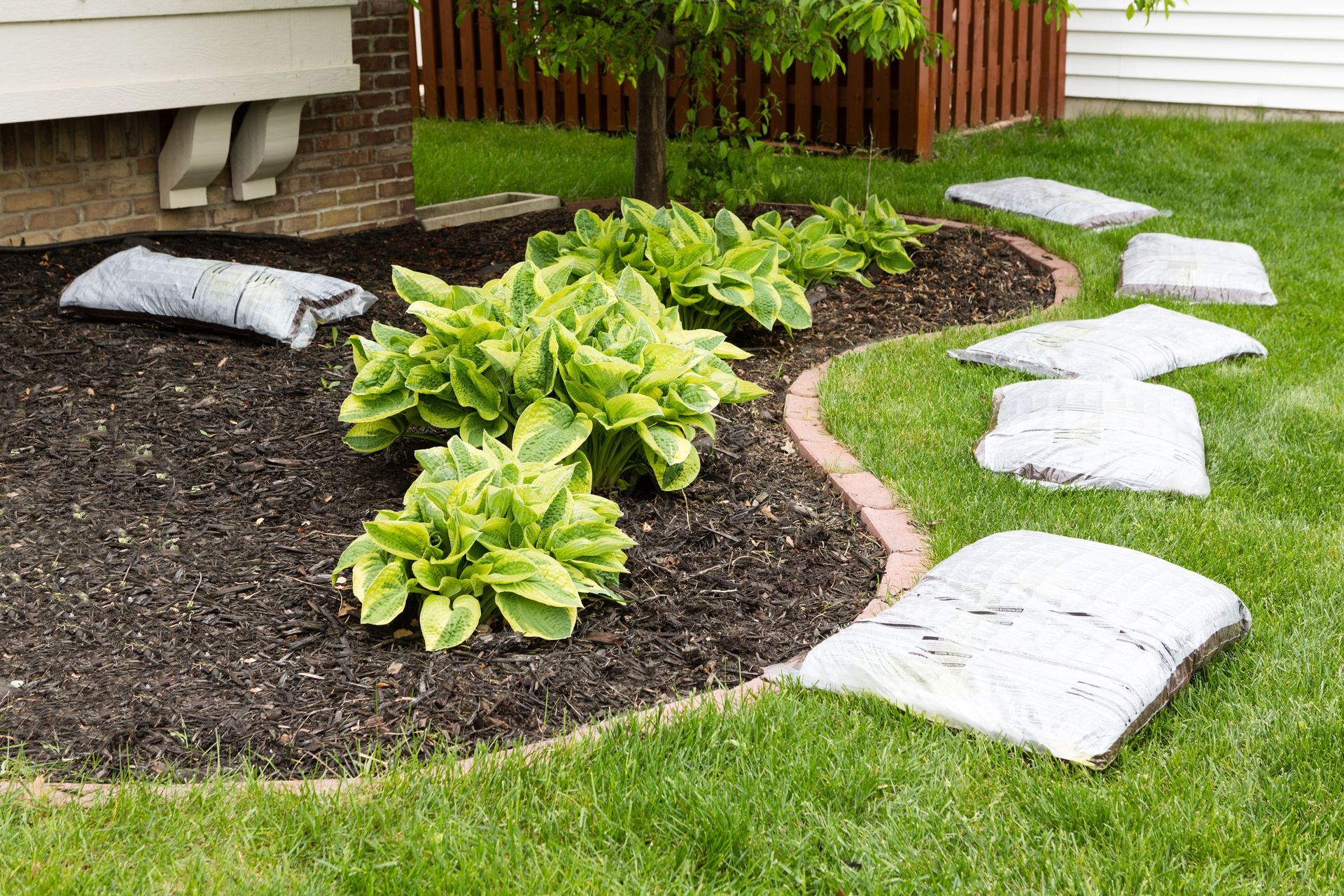
Mulch is another vital landscape supply. Organic mulch retains moisture, regulates soil temperature, and suppresses weeds. According to GlobeNewswire, demand for mulching materials is projected to increase at an estimated 7.8% compound annual growth rate through 2030. Mulch also decomposes over time, enriching the soil with nutrients and reducing the need for chemical fertilizers. Selecting the correct type of mulch for each plant enhances growth and overall landscape health. Additionally, mulch can protect soil from extreme temperatures and prevent compaction, supporting strong root development for healthy plants.
Different landscaping projects require different soil blends and mulch types. Flower beds may benefit from nutrient-rich compost blends, while trees often require well-draining soil that prevents root rot. Decorative mulch can also add contrast and texture to a garden design. Taking time to choose the appropriate landscape supplies for soil and mulch ensures both visual appeal and plant health.
Optimizing Water Use with Irrigation Supplies
Efficient irrigation starts with selecting the appropriate system. Drip irrigation delivers water directly to roots, reducing evaporation and waste. Overhead and subsurface systems have their uses but must be matched to plant needs. Understanding the water requirements of different species ensures optimal results. Proper irrigation not only conserves water but also reduces the likelihood of disease caused by excess moisture.
Water conservation techniques, such as scheduling watering during cooler parts of the day and using rain sensors, improve efficiency. Smart irrigation systems integrated with soil moisture data can automate watering and reduce overuse. Collecting rainwater for irrigation further supports sustainable landscaping practices. Proper water management conserves resources, prevents soil erosion, and maintains plant health. By investing in advanced irrigation supplies, landscapers can save costs while ensuring that every plant receives the right amount of water.
In many regions, water restrictions make efficient systems even more important. Selecting high-quality irrigation landscape supplies helps maintain lush greenery without unnecessary waste. Careful planning of irrigation zones allows different areas of a property to receive tailored watering schedules, further improving efficiency and plant performance.
Enhancing Structure with Hardscape Materials
Hardscape materials, such as pathways, retaining walls, patios, and decking, provide structure and function to landscapes. They complement natural elements while offering practical benefits. Durable stone and concrete are preferred for longevity, with materials like granite and limestone providing strength and visual appeal. Concrete offers versatility and a variety of finishes for design flexibility. Choosing the right hardscape materials is an important part of creating spaces that are functional, safe, and visually appealing.
Integration of hardscape with plantings requires thoughtful design. Pathways can guide visitors while blending with greenery, and recycled or permeable materials help manage water runoff. Balancing constructed elements with nature creates cohesive, sustainable landscapes that last for years. Well-designed hardscape elements also provide outdoor living spaces for seating, dining, and social gatherings, enhancing the overall usability of the garden.
Retaining walls can prevent soil erosion and create level planting areas on sloped properties. Paver patios provide stable surfaces for entertaining, while decorative stone borders define planting beds. Selecting durable landscape supplies for hardscaping ensures structural stability and long-term satisfaction.
Incorporating Native Plants and Trees
Native plants and trees thrive in local conditions, requiring less maintenance and water while supporting local wildlife. They reduce reliance on chemical fertilizers and pesticides, contributing to healthier ecosystems. Native species also add seasonal variety and attract pollinators, enhancing biodiversity. Using native plants as part of your landscape supplies ensures long-term sustainability and reduces overall maintenance effort.
Selecting native plants involves understanding soil, sunlight, and moisture requirements. Extension services and nurseries can guide choices for regional success. Regular maintenance, such as pruning, mulching, and pest management, keeps native gardens healthy. Diverse plantings promote ecological resilience and aesthetic appeal. By including a variety of native species, landscapes can support more wildlife and maintain visual interest throughout the seasons, creating dynamic and lively outdoor spaces.
Prioritizing Sustainability in Landscaping
Sustainable landscaping practices minimize environmental impact and promote resource conservation. Using recycled, locally sourced, or eco-friendly landscape supplies reduces carbon footprints and supports responsible resource management. Limiting chemical use, conserving water, and reducing waste further enhance sustainability. Selecting sustainable materials ensures that landscapes are built with long-term environmental considerations in mind.
Educating homeowners and communities about sustainable practices encourages wider adoption. Options include low-maintenance ground covers, native grasses, and organic fertilizers. By prioritizing eco-friendly materials and efficient design, landscapers create landscapes that are both beautiful and environmentally responsible. Sustainability in landscaping not only benefits the environment but also reduces costs and maintenance needs over time, providing lasting value for property owners.
Investing in quality landscape supplies is key to developing resilient, healthy, and visually appealing outdoor spaces. From soil and mulch to irrigation and hardscape materials, thoughtful selection supports biodiversity, conserves resources, and enhances ecosystem health. Emphasizing native plants, sustainable materials, and water-efficient technologies ensures long-term benefits for both landscapes and the environment. By choosing the right landscape supplies, homeowners and professionals can create outdoor spaces that are sustainable, functional, and enjoyable for generations. Proper selection of materials and supplies lays the foundation for gardens and landscapes that thrive while respecting natural ecosystems and conserving resources. For more information, contact Affordable Landscape Supplies today.