July 28, 2026
Landscaping plays a pivotal role in enhancing the beauty and functionality of homes and businesses. Through strategic planting and design, both aesthetic and environmental benefits can be profoundly achieved. Whether in residential or commercial settings, landscaping elevates the value of a property, conserves natural resources, and creates more enjoyable environments. By incorporating local landscaping materials, the positive impact is further enhanced, creating sustainable and cost-effective solutions for all settings.
1. Why is landscaping essential for residential properties?
1.1 Enhancing Aesthetic Appeal
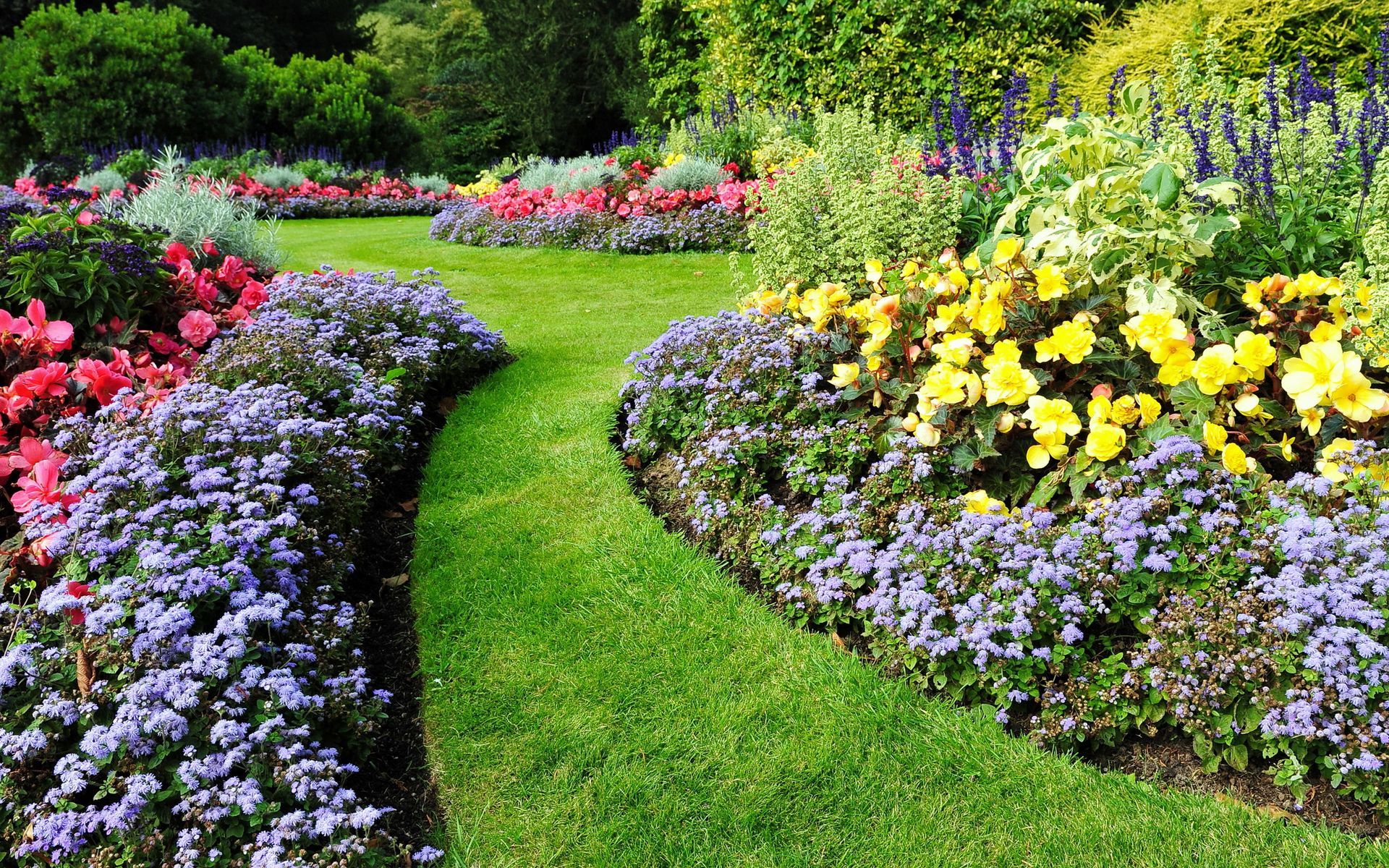
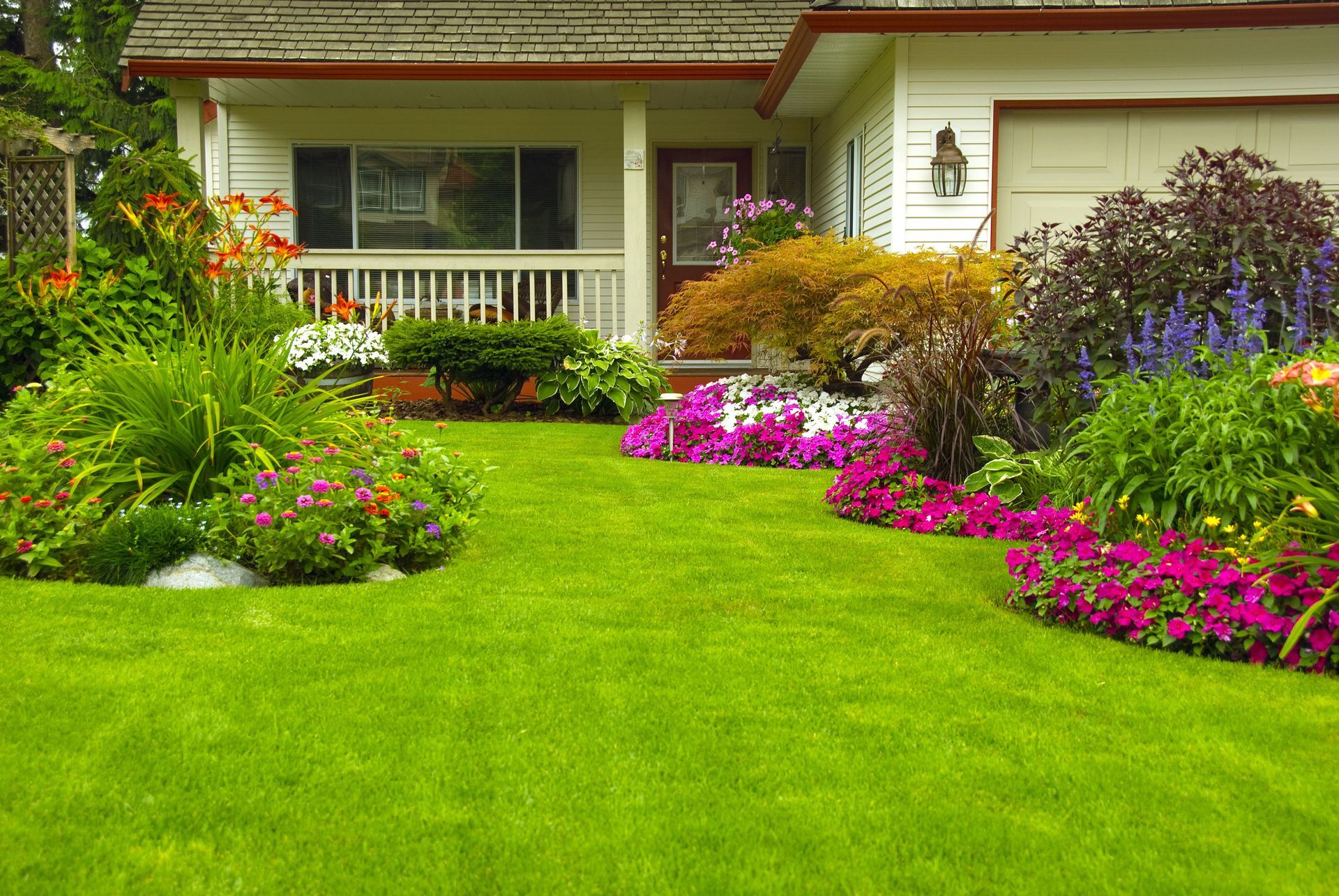
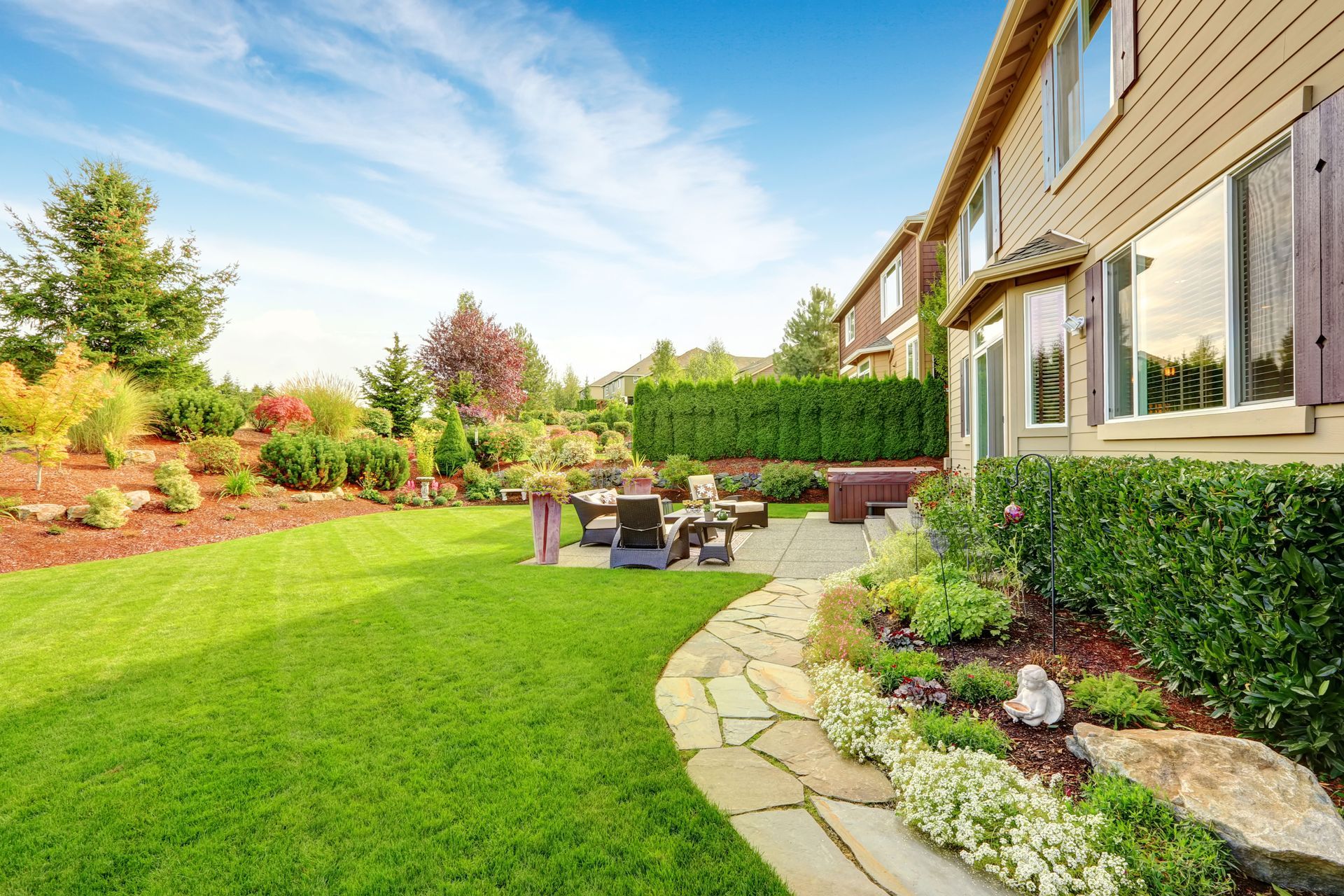
Landscaping significantly enhances the aesthetic appeal of residential properties. With thoughtful design and strategic vegetation placement, the visual impact of a property is instantly elevated. Flowers, trees, and shrubs add color, structure, and life that transform even mundane properties into picturesque havens. Moreover, the synergy of hardscaping features such as paths, patios, and water elements can create a cohesive, welcoming environment.
A beautifully landscaped home offers more than visual pleasure; it also psychologically enriches the homeowners and visitors alike. Lush gardens and well-maintained lawns relax the mind, offering peace and tranquility amid the hustle of modern life. The presence of greenery within a living space is known to reduce stress, improve mood, and even boost productivity. This emotional connection underscores why many invest in enhancing their homes' outdoor spaces.
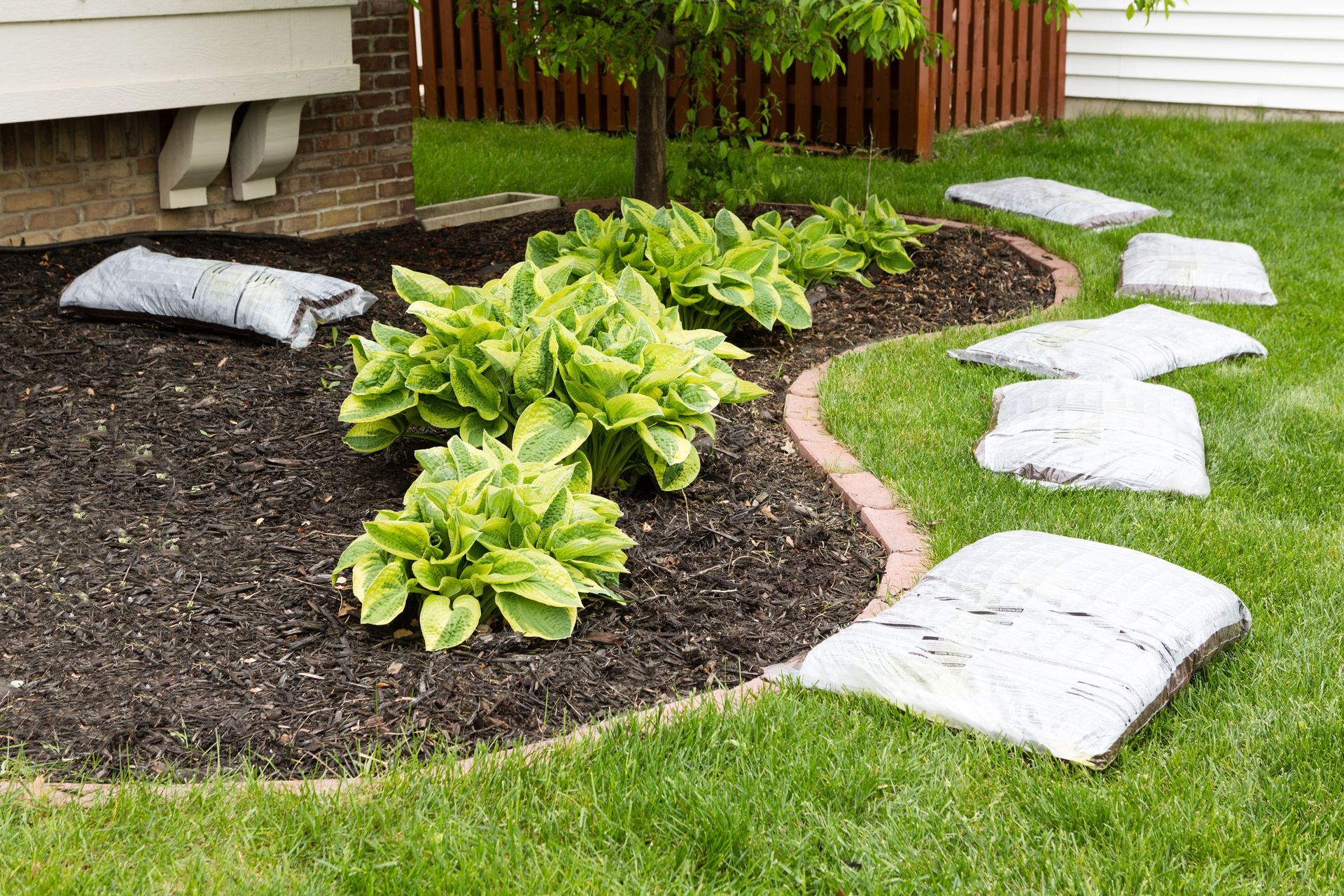
Incorporating local landscaping materials can be an intrinsic part of this aesthetic enhancement, as these materials usually harmonize with the surrounding environment. Using stones, timbers, and soil native to the area can lead to designs that appear natural and sustainable. This method not only promotes the use of indigenous resources but also enhances the coherence and timeless beauty of the landscape.
1.2 Increasing Property Value
Professionally landscaped properties are generally more appealing to prospective buyers, which greatly increases residential property value. Studies consistently show that homes with high-quality landscaping can command a premium price compared to those with minimal or no landscaping. A well-designed landscape can influence buyers' first impressions and help sell a property more quickly. Therefore, investing in landscaping extends beyond aesthetics to real financial benefit.
Landscaping provides an excellent return on investment due to its dual nature: functional beauty and increased financial value. Elements like mature plants, tasteful hardscaping, and a consistent theme can elevate the overall perception of the property. As more households recognize these benefits, landscaping continues to grow as a critical component in real estate development and sales.
The use of local landscaping materials can further boost property value by underscoring environmental stewardship and aesthetic authenticity. Buyers increasingly value sustainability, and selecting landscape elements that reflect local characteristics can lead to greater engagement and satisfaction. Moreover, local materials may reduce transportation costs and time, resulting in a more efficient and less expensive project.
2. How does landscaping benefit businesses?
2.1 Boosting Curb Appeal & Brand Image
Businesses benefit significantly from thoughtful landscaping as it enhances curb appeal and strengthens brand image. A professionally landscaped business facade makes a positive first impression and communicates attention to detail and quality. It reflects well on the business's values and can influence customer perceptions even before they enter. As a highly visual component of brand image, landscaping is critical in forming public appeal and recognition.
A strong landscaping design can make customers feel more engaged with a brand by creating a setting that encourages visitation and interaction. Landscapes are tangible representations of a company's commitment to maintaining and beautifying their premises, showcasing an investment in quality and professionalism. As landscape choices increasingly reflect company values, businesses choose to include local landscaping materials to promote sustainability and support regional economies.
According to Jobber.com, there are 1,296,100 landscaping and groundskeeping jobs in the United States, highlighting the industry's role in economic development and employment. This vast workforce contributes to creating vibrant business districts and commercial spaces, providing a myriad of landscape enhancements that boost consumer engagement. Businesses that invest in these services often experience an improved bottom line and public perception, proving that well-maintained landscapes are a potent marketing tool.
2.2 Creating Welcoming Environments for Customers
Strategically designed landscapes create inviting spaces that attract and retain customers. Features like outdoor seating, water features, and well-placed greenery contribute to a calming and welcoming atmosphere. A pleasing exterior encourages potential customers to enter the premises and engage with the brand. Enhanced customer experience through landscaping leads to longer visits, increased satisfaction, and repeat business.
The health benefits of natural elements extend to commercial settings, where access to greenery can reduce stress and encourage relaxation. By incorporating areas for rest or pleasure walks, businesses can enhance their interaction with clients and visitors. Such features make a significant psychological impact, often leading to better customer feedback and increased brand allegiance.
Utilizing local landscaping materials strengthens the welcoming nature of commercial spaces by embedding familiar and friendly elements. Visitors are more likely to connect emotionally with spaces that reflect the local cultural and environmental identity. This connection fosters a broader sense of community and enhances the customer's perspective on business responsibility and locality.
3. What are the best practices for selecting local landscaping materials?
3.1 Understanding Local Climate and Soil
An in-depth understanding of local climate and soil conditions is fundamental for selecting appropriate landscaping materials. Familiarity with regional weather patterns ensures selections are resilient to climatic extremes, minimizing maintenance costs and plant loss. Knowing soil types and qualities aids in choosing materials that naturally fortify and enhance soil health, encouraging robust plant growth. This knowledge particularly contributes to longer-lasting, effective landscape installations that thrive year-round.
Exploring climate data allows landscape designers to select plant species and construction materials that complement the atmospheric conditions. This synergy optimizes plant health and landscape performance, perfectly aligning visual appeal and ecological function. Furthermore, using the local climate and soil insights as a guiding framework facilitates innovative design solutions tailored to environmental strengths.
Collaborating with local experts can provide additional insights into selecting appropriate landscaping materials. Local suppliers, nurseries, and horticultural societies offer invaluable expertise on regional conditions and compatible plant choices. Their contributions ensure that landscape projects can harness the maximum benefits of the native environment, promoting sustainability and cost efficiency.
3.2 Choosing Native Plants for Sustainability
Selecting native plants is often regarded as a best practice in sustainable landscaping due to their adaptability to local conditions. Native species require fewer resources to thrive, as they have evolved naturally in the environment. This resilience reduces the need for fertilization, irrigation, and pest control, as native plants typically address these challenges autonomously. Businesses and homeowners can benefit from lower maintenance costs and reduced environmental impact.
Native landscaping adds diversity and ecological value to landscapes by attracting local wildlife and pollinators, contributing to healthy ecosystems. Pollinators like bees and butterflies rely on specific plant species for survival, and native plants can fulfill those roles effortlessly. This ecological collaboration supports local biodiversity, providing food and habitat for birds, insects, and other wildlife.
Moreover, adopting native plants conservatively ensures that landscapes remain resilient against climate shifts that might challenge non-native species. Local landscaping materials including native plants foster a deeper connection with the environment as they harmonize seamlessly with the land's character, reinforcing both cultural and natural heritage. Planting native flora plays a significant role in demonstrating environmental responsibility and landscape integrity.
Landscaping profoundly influences both residential and business environments, delivering aesthetic, environmental, and economic benefits. By selecting thoughtful landscaping designs and materials, properties can become more valuable and sustainable in the long term. Emphasizing the necessity of utilizing local landscaping materials further enhances these advantages, reinforcing connections with local ecosystems, economies, and communities. Ultimately, implementing strategic landscape practices leads to spaces that are not only beautiful but also environmentally friendly and financially rewarding. Reach out to Affordable Landscape Supplies today to see how we can help you!