August 31, 2026
An introductory examination of the potential investment benefits of landscaping, setting the stage for a detailed exploration through common questions and concerns. Recognizing the multifaceted advantages of landscaping, homeowners and investors alike are beginning to appreciate it beyond its superficial appeal. As real estate markets continue to evolve, incorporating thoughtful local landscaping supplies is becoming an essential consideration for maintaining a competitive edge. Beyond improving a property's appearance, a well-designed landscape can create functional outdoor spaces that complement a home's overall design. Understanding the potential financial and environmental returns can help property owners make informed decisions about their landscaping investments.
Increase Property Value
Landscaping, often seen as a mere aesthetic enhancement, can also serve as a significant investment in real estate. By strategically planning and implementing thoughtful landscape designs, homeowners can increase their property’s value considerably. Home Guide supports this by indicating that such enhancements can boost home value by 10% to 30% dependent on the quality and type of improvements. This substantial jump can mean thousands of dollars in added value, making landscaping more than just a beautification process. Additionally, various studies have shown that homes with attractive landscaping enjoy faster sales, reducing time on the market and associated costs. A well-landscaped yard could be the difference between a lingering listing and a bidding war.
Investing in landscaping offers not just immediate but long-term financial benefits. The initial costs may seem daunting to some property owners, but the ROI is usually worth it. This is particularly true when considering that appealing landscapes enhance curb appeal and create a welcoming environment, which are major selling points for potential buyers. With the help of local landscaping supplies, a homeowner can tailor their design to complement the regional ecosystem and climate, potentially increasing durability and effectiveness. Furthermore, the proper arrangement of plants and garden features can lead to energy savings, as trees providing shade or windbreaks can influence utility bills positively. These cumulative benefits underscore the inherent cost-effectiveness of well-planned landscaping projects.
Moreover, the diverse nature of landscaping options allows for personalized and unique enhancements, catering to individual preference and lifestyle. For instance, installing drought-resistant plants can attract eco-conscious buyers looking to reduce environmental impact and maintenance costs. Utilizing local landscaping supplies can help mitigate expenses and support the local economy simultaneously. This economic interplay also enhances the investment's appeal, promising returns not just for individual homeowners, but the community as a whole. Furthermore, by choosing native plants and materials, homeowners can foster an improved ecological balance, attracting local wildlife and creating a harmonious coexistence with nature. This added aspect of ecological stewardship positions landscaping as a forward-thinking and responsible investment strategy.
Enhance Curb Appeal
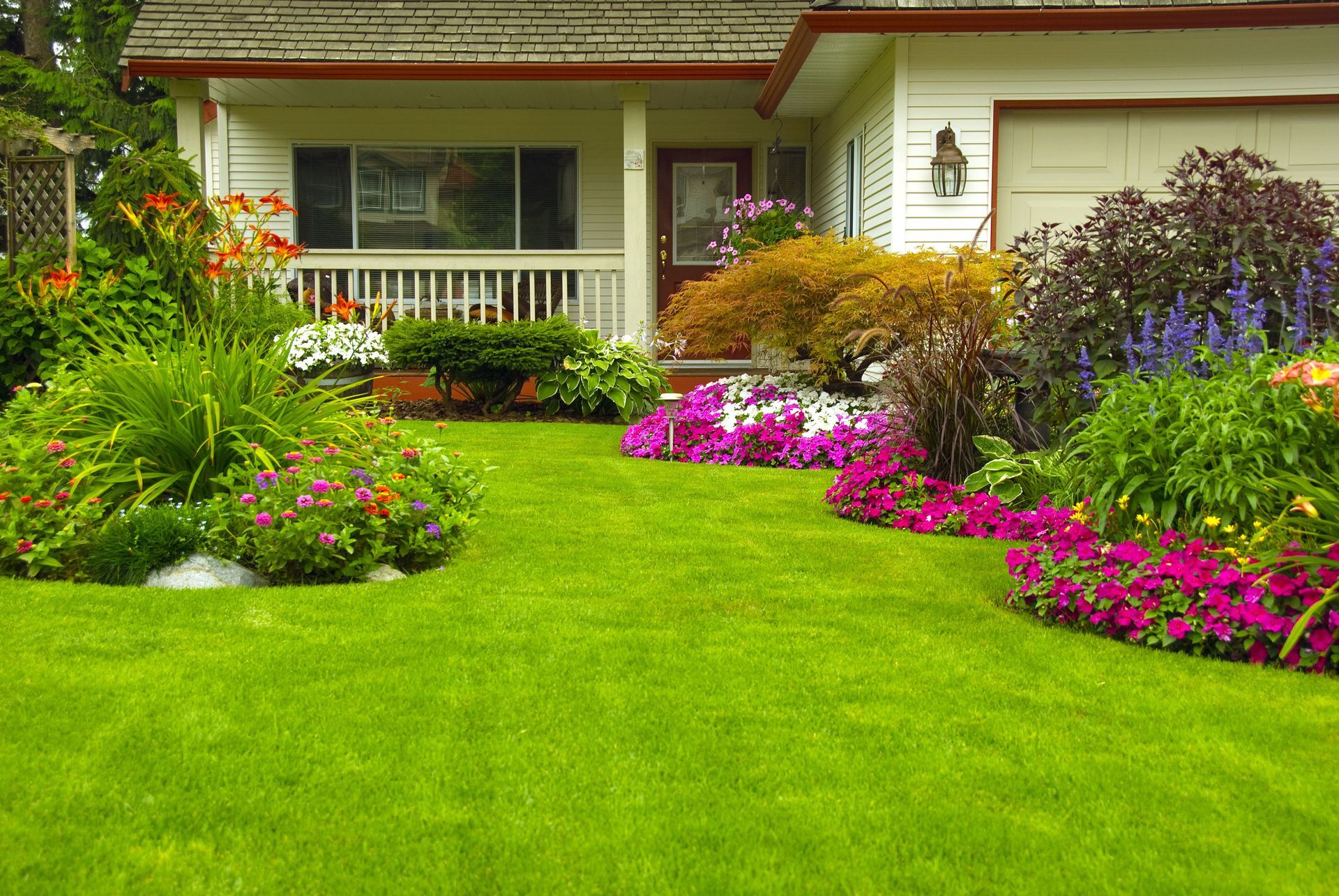
Landscaping significantly affects property value by creating a visually appealing and functional outdoor space. The presence of well-designed and maintained landscape elements like gardens, patios, and walkways invites prospective buyers to linger, increasing the chances of a successful sale. According to Home Guide, professional landscaping can increase a property's value by 10% to 30%. This range highlights the significance of strategic investments in exterior elements to maximize property value. Additionally, the choice of luxurious features, such as outdoor kitchens or water features, can set a property apart, catering to upscale markets seeking exclusivity. Such enhancements reflect a lifestyle upgrade that many buyers are willing to invest in.
Various elements contribute to how landscaping can enhance property assessments. Incorporating local landscaping supplies ensures the selection of compatible flora and construction materials, which can withstand local weather conditions, reducing future maintenance costs. Enhanced landscapes can buffer against soil erosion, water damage, and even temperature fluctuations, strengthening the property's overall durability and attractiveness. Engaging with professionals who understand these dynamics can further bolster the likelihood of seeing positive returns on investment. Furthermore, a well-curated landscape can serve as an expanded living space, creating versatile areas for relaxation, entertainment, and recreation, which can considerably amplify a property's marketability. The perceived value of such comprehensive outdoor environments often resonates with buyers seeking a seamless indoor-outdoor living experience.
Landscaping also aids in subtle psychological effects, adding to a property's desirability. A properly landscaped yard offers serenity and a sense of space, promoting a positive mental image that could translate into a financial decision for prospective buyers. Additionally, artful landscaping imbues a sense of exclusivity and adds dimension to a property that bare structures cannot achieve, further driving up perceived value. Thus, the marketability and valuation by potential buyers are heavily swayed by such enhancements. The introduction of thematic elements like Zen gardens or Mediterranean courtyards further personalizes properties, offering a unique selling proposition in competitive real estate markets. This psychological allure makes landscaping enhancements a critical component in the arsenal of home-selling strategies.
Support Environmental Sustainability
Landscaping is not only beneficial for increasing property value but also serves substantial ecological functions. By incorporating elements like native plants, water features, and permeable paving, landscapes can significantly enhance biodiversity within urban settings. The provision of habitats for local wildlife and improvement in air and water quality all stem from thoughtful landscaping. Furthermore, strategic planting of trees can reduce energy costs by providing natural shade and acting as wind barriers. This dual-purpose approach allows properties to align both economically and environmentally, seamlessly integrating aesthetics with sustainability.
The integration of local landscaping supplies is crucial in ensuring environmental sustainability. These supplies often include native plants that require less water, fertilizers, and pesticides, leading to a diminished ecological footprint. This strategic choice not only enhances the landscape's compatibility with the region's ecosystem, improving its natural resistance to pests and diseases, but also encourages the reduction of carbon emissions tied to long-distance transportation. Homeowners can thereby contribute to environmental well-being while enjoying an aesthetically pleasing and functional outdoor space. Furthermore, sustainable practices such as using recycled materials or renewable energy sources for landscape lighting can add layers of eco-friendliness, attracting a rapidly growing demographic of environmentally conscious consumers.
Moreover, sustainable landscaping practices, like composting and rainwater harvesting, can further amplify the ecological benefits. Such initiatives not only lower household waste and water usage but also promote soil enrichment and efficient resource management. These environmental benefits often lead to increased desirability among prospective buyers, particularly those who prioritize green living. The potential uptick in property value, compounded with environmental preservation, fully substantiates landscaping as a wise investment choice. As global attention shifts towards climate action, the capacity for landscaping to address both mitigation and adaptation needs positions it as an indispensable element of forward-planning in property development.
Landscaping is not merely an aesthetic adornment but a strategic investment elevating property value and offering multifaceted returns. Homeowners can see significant financial gains while also benefiting from enhanced environmental health. By employing local landscaping supplies, they can increase durability, aesthetic appeal, and ecosystem support, crafting spaces that are both beautiful and sustainable. Thus, landscaping stands as an investment in economic, environmental, and social capital, bridging individual and community benefits. This holistic approach ensures that addressing present-day challenges does not come at the expense of future stability, exemplifying a commitment to sustainable development principles. Thoughtful landscaping can provide benefits that extend well beyond the initial installation, making it a valuable consideration for many property owners. With careful planning and appropriate materials, homeowners can create outdoor spaces that remain functional, attractive, and beneficial for years to come. Reach out to Affordable Landscape Supplies to learn more about our local landscaping supplies services today.