May 27, 2026
Landscaping has become an integral part of modern life, transforming not only our homes but also our communities. This practice, which involves the artful arrangement and modification of outdoor spaces, has gained immense popularity for various reasons. From aesthetic enhancement to environmental benefits, landscaping offers a myriad of advantages that have captivated the interest of homeowners, businesses, and municipalities alike. Incorporating premium landscaping supplies ensures that these transformations are both durable and visually striking over time.
The fascination with landscaping is not just a passing trend; it's a reflection of our growing appreciation for nature and our desire to create harmonious living environments. As urbanization continues to expand, the need for green spaces becomes more pronounced, making landscaping a crucial component in urban planning and development. This ongoing shift underscores how carefully curated outdoor environments can completely alter the visual and functional dynamics of residential neighborhoods and commercial sectors alike.
Enhancing property value and visual appeal through design
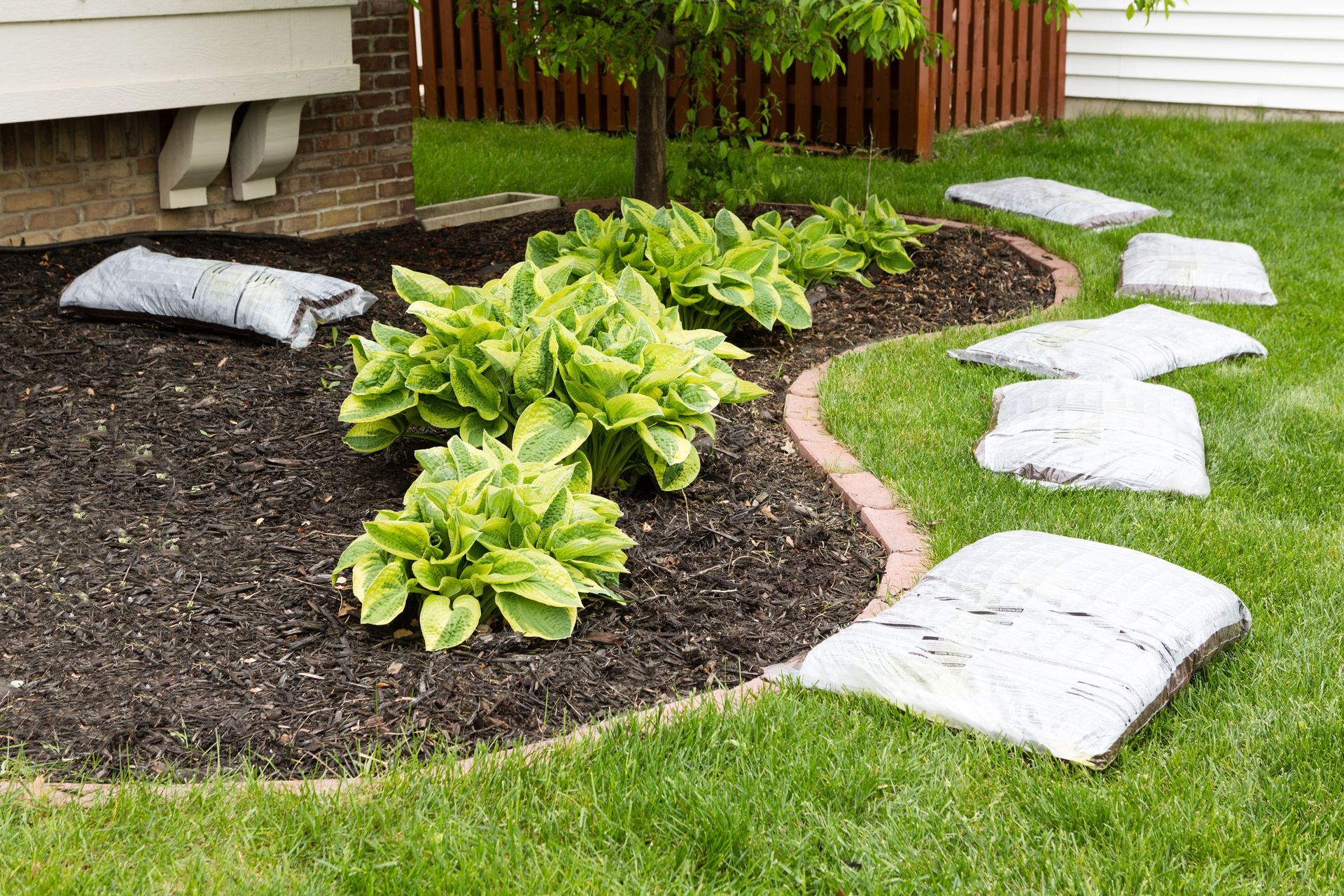
Landscaping is a powerful tool for enhancing the overall value of a property. Well-designed landscapes create a positive first impression, which is crucial when selling or renting a property. A beautifully landscaped yard can increase a home's value by as much as 15%, making it a worthwhile investment for homeowners looking to boost their property's marketability. This increase in value is not just limited to residential properties; commercial establishments also benefit from enhanced curb appeal, attracting more customers and clients. Utilizing high-quality landscaping supplies can make a dramatic difference in achieving that polished, professional look that buyers notice immediately.
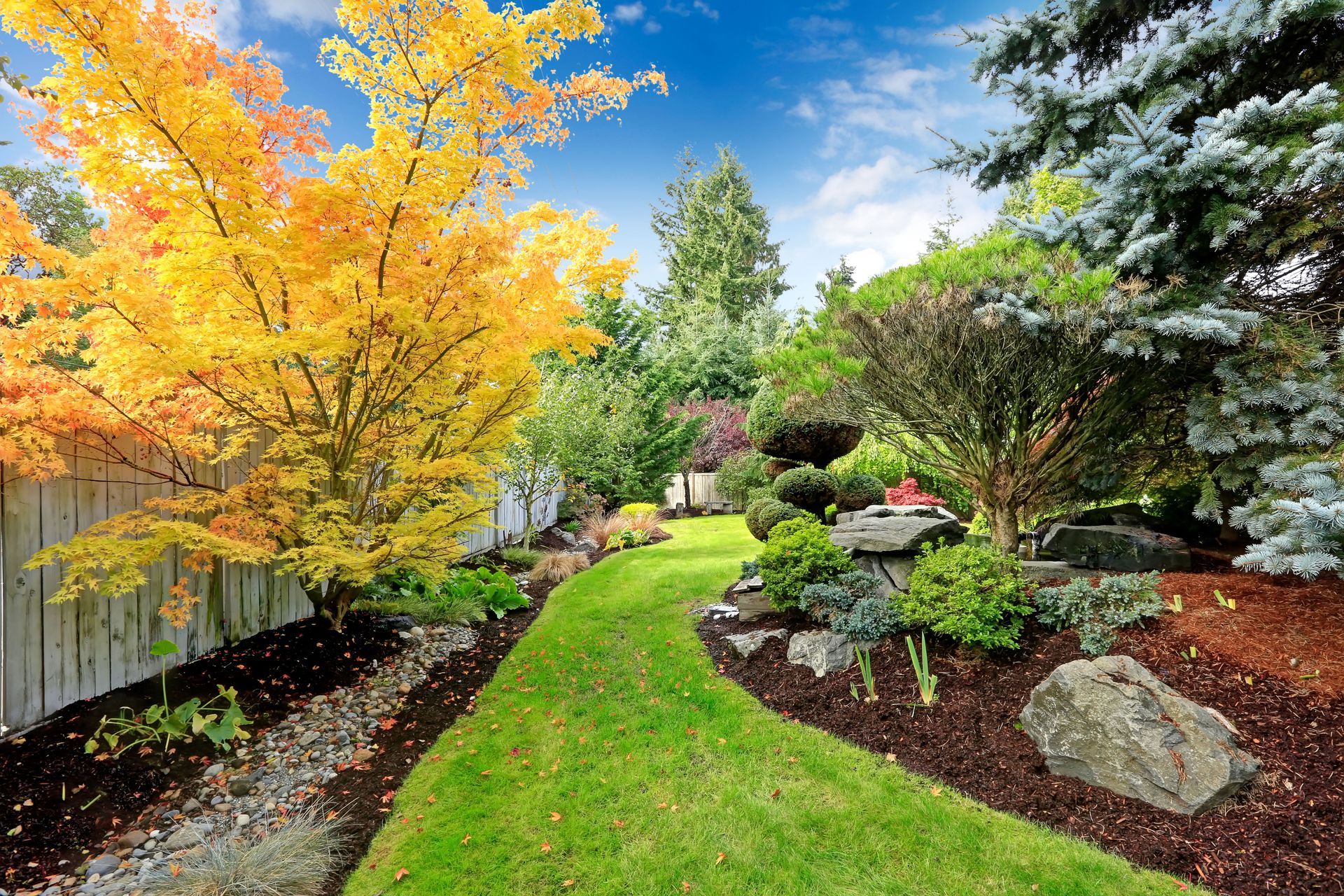
Creating visual interest through outdoor design involves the thoughtful selection and arrangement of plants, structures, and other organic elements. The use of varied textures, colors, and forms can transform a mundane outdoor space into a captivating vista. Techniques such as layering, establishing focal points, and maintaining structural symmetry can guide the viewer's eye and create a profound sense of balance and harmony. Landscapers often use seasonal plants to ensure that a garden remains vibrant and appealing throughout the year, offering an evolving visual journey that changes beautifully with the seasons.
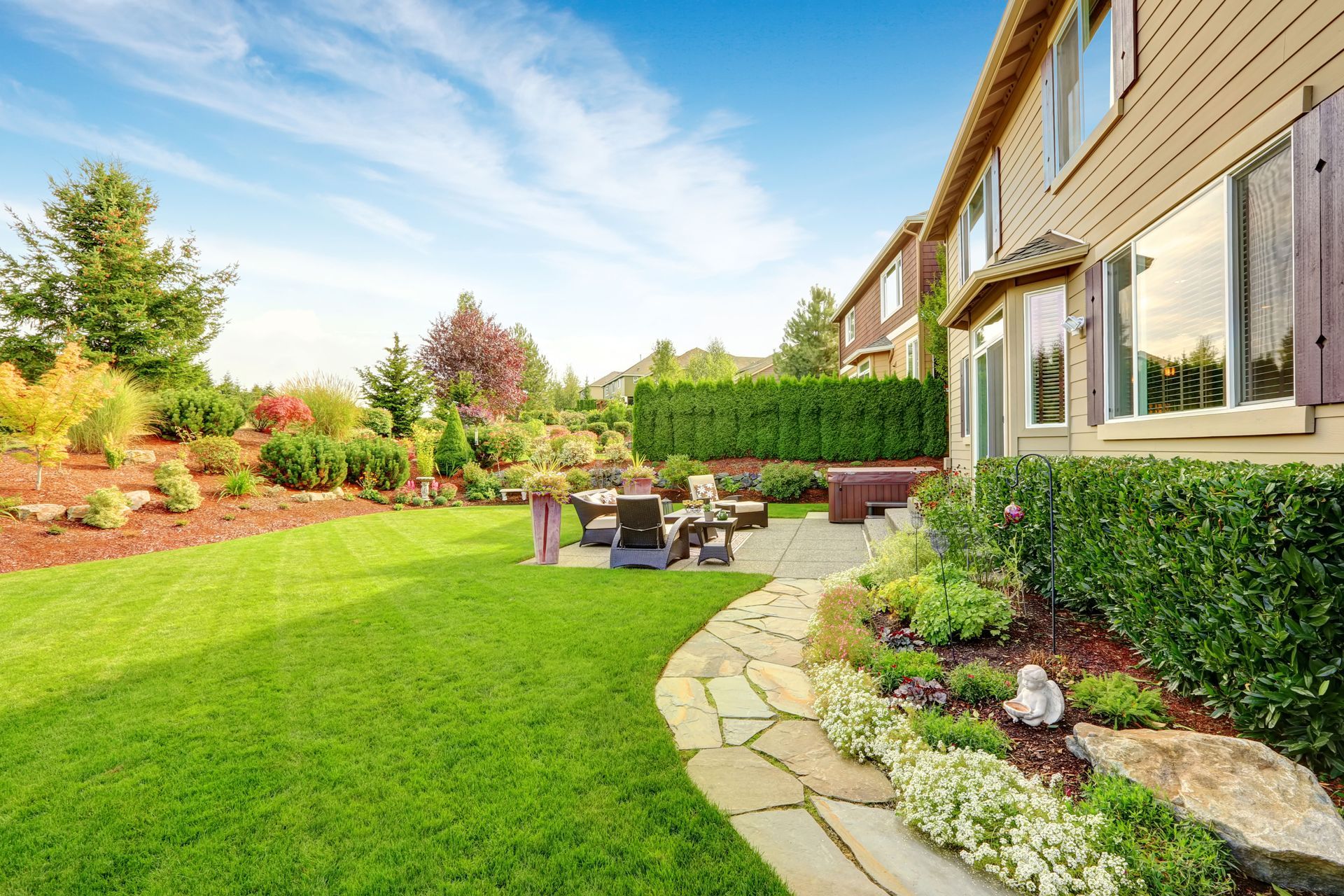
Curb appeal remains a critical factor in the general perception of any property, and intentional design plays a massive role in optimizing it. A well-maintained lawn, trimmed hedges, and colorful flower beds can significantly improve the appearance of a home, making it more inviting to visitors and passersby. This attention to detail reflects the care and consideration given to maintaining a beautiful and welcoming environment. It also provides an opportunity for personal expression, allowing individuals to create outdoor spaces that reflect their unique tastes, personalities, and lifestyle preferences.
Protecting local ecosystems and managing environmental resources
Landscaping plays a vital role in improving local air quality by incorporating diverse plants that absorb carbon dioxide and release oxygen. Trees, shrubs, and grasses act as natural air filters, trapping dust and atmospheric pollutants while providing cleaner, fresher air to surrounding areas. This is especially important in dense urban areas, where pollution levels tend to be significantly higher. By increasing the number of green spaces, proper exterior cultivation helps mitigate the effects of pollution and contributes to a healthier environment while reducing ambient temperatures.
Soil erosion is another significant environmental concern that can be effectively controlled through strategic planting and ground management. The roots of plants and trees help stabilize the soil structure, preventing severe erosion caused by wind and heavy rain. By carefully selecting and placing vegetation, professionals can create natural barriers that reduce the impact of water runoff and protect against valuable topsoil loss. This preserves the integrity of the landscape and prevents sedimentation in nearby bodies of water, thereby protecting delicate aquatic ecosystems.
Nurturing mental health and encouraging physical wellness
Exposure to natural environments has been scientifically shown to reduce stress levels and promote deep relaxation. Well-designed outdoor areas provide a peaceful escape from the hustle and bustle of everyday routines, offering a quiet retreat where individuals can unwind and recharge. The sights, sounds, and scents of nature have a calming effect on the human mind, helping to lower blood pressure and reduce everyday anxiety. Spending time in these spaces can enhance mood and overall psychological well-being, contributing to a healthier, more balanced lifestyle.
In addition to psychological relief, landscaped areas actively encourage physical activity by providing inviting, beautiful spaces for walking, jogging, and other outdoor recreations. Public parks, trails, and private gardens offer convenient opportunities for regular exercise, promoting a highly active lifestyle. Access to green spaces has been consistently linked to increased physical activity levels, which can help improve cardiovascular health and overall physical fitness. Creating attractive and accessible outdoor environments encourages people to engage in regular movement naturally.
Therapeutic gardening is another specialized practice that harnesses the healing power of nature to promote physical and mental rehabilitation. Engaging individuals in gardening activities has numerous benefits for both the mind and body, as the physical effort involved helps improve strength, flexibility, and hand-eye coordination. At the same time, the sensory experience of working directly with soil and plants enhances cognitive function and reduces symptoms of depression. Designing spaces that accommodate these therapeutic interactions creates environments that nurture both physical longevity and emotional stability.
Fostering social connection and strengthening community identity
Public outdoor design plays a crucial role in fostering community interaction by creating shared spaces that encourage socialization, recreation, and collaboration. Neighborhood parks, public gardens, and community centers provide spaces where people can come together, engage in group activities, and build meaningful relationships. These areas serve as essential gathering points for local events, celebrations, and recreational sports, effectively strengthening the overall sense of community solidarity and mutual belonging.
By transforming underutilized public plots into inviting and functional environments, communities can cater to the diverse needs of their residents. Well-designed plazas, streets, and greenways provide areas for relaxation and play, contributing to the general livability and appeal of a municipality. Incorporating elements like accessible pathways, benches, and shade structures ensures that these spaces are enjoyable for people of all ages and physical abilities, promoting inclusivity across the neighborhood.
Additionally, these environments offer valuable educational opportunities and reinforce community identity. School gardens and nature trails provide hands-on experiences that engage students in the natural world and promote environmental stewardship. Through the thoughtful integration of native flora and historical references, these areas celebrate the unique heritage and traditions of a community. They serve as symbols of collective pride, creating cohesive and resilient neighborhoods that are deeply rooted in their shared culture.
Driving economic growth and supporting local industries
The outdoor design and maintenance sector is a massive contributor to economic growth, providing employment opportunities across design, construction, management, and horticulture. According to Workyard, about 59% of U.S. landscaping companies' revenue comes from single-family residential projects. This substantial demand creates a diverse range of jobs, from landscape architects and master designers to specialized technicians and maintenance crews. The constant need for reliable landscaping supplies keeps local distributors and manufacturers thriving, further fueling economic development.
Commercial properties also experience direct economic benefits from professional landscape management. Well-maintained exterior grounds boost local businesses by creating highly attractive, welcoming environments that draw in customers and clients. This enhanced aesthetic appeal increases customer foot traffic, improves brand perception, and gives businesses a competitive edge in the marketplace. Investing in professional properties demonstrates a commitment to quality that resonates positively with consumers and stakeholders alike.
The enduring popularity of altering and enhancing outdoor spaces stems from its multi-faceted benefits, spanning aesthetic perfection, ecological balance, physical wellness, and economic value. Investing in these transformations alters how we interact with our surroundings, turning ordinary yards into exceptional havens. Utilizing the right landscaping supplies is foundational to achieving these enduring results and maximizing the value of every project. For more information about the services that we offer, reach out to our incredible team at Affordable Landscape Supplies today!